
Reads
Write it down before it dries: a record-keeping checklist for wet houses
Insurers, landlords and contractors all ask the same things afterward: when it started, what it touched, what was done and what it cost. This list covers what to photograph, write down and keep, drawn from the FEMA and Georgia insurance pages.
The list, in the order to do it
- Stop the water at its source, from dry footing.
- Photograph the source before anything is moved.
- Shoot the room from each corner, then close up.
- Put a tape measure beside every waterline.
- Photograph appliance labels and the wet side of ceilings.
- Film a slow, narrated walk through each room.
- Write down the date, the time and what you think caused it.
- List the damaged items, with rough ages.
- Note the policy number and how to reach the insurer.
- Keep every receipt for temporary repairs.
- Leave permanent repairs until after the damage has been inspected.
- Put any contractor's work, dates and payments in writing.
Why the first photographs count
Georgia's insurance commissioner recommends recording the damage on camera ahead of any temporary repair, and holding on to every receipt for those repairs. Once a wall is opened or a rug is hauled out, the photo is the only record of how it looked.
The same page cautions that an insurer may refuse a claim when permanent repairs are carried out ahead of an inspection. Nothing here predicts what any insurer will do; the point is to hold a record whichever way it goes.
What FEMA's claim page asks for
FEMA's page on filing a home insurance claim lists what to gather: the policy number, the insurer's contact information, your own information, a detailed description of what caused the damage and when, a list of missing or damaged items, photos or video showing the damage inside and outside, and receipts for expenses, repairs and replacements.
A phone note with those items, started the first evening, saves a scramble later.
Photographing a wet room
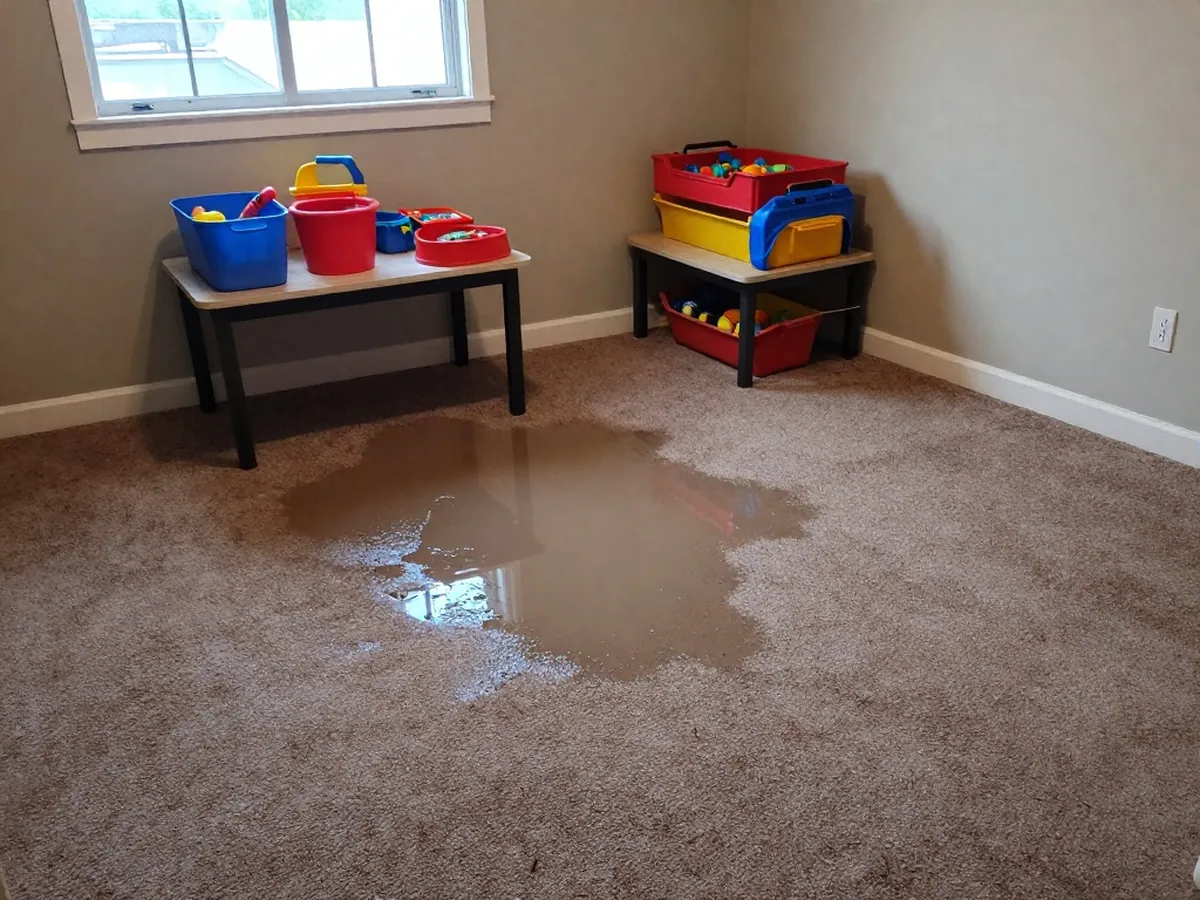
Stand in a dry spot and shoot the whole room from each corner, then move in. Photograph the source, the waterline on walls with a tape measure in the frame, furniture legs, the underside of any ceiling stain, and the label on any appliance involved. A slow video walk-through, narrated, catches what stills miss.
Stay out from under a ceiling that droops, and stay out of water that touches electrical things.
Temporary repairs and receipts
The commissioner's page says some policies require temporary repairs to protect property from further damage, and that receipts for them matter. Georgia's attorney general adds that a contractor's work, dates and payments belong in a written contract, and suggests never paying for an entire project before work begins.
Flood is a separate policy
According to FloodSmart, most homeowners policies leave out flood damage, and only a flood policy covers rebuilding after a flood. Austell's flood insurance page says the city joined the National Flood Insurance Program on April 5, 1974, and lists the program's number, 1-800-427-4661.
If a claim is denied, the commissioner's page suggests asking for a letter that gives the reason and the policy language used. Its consumer line is (404) 656-2070, or (800) 656-2298.
Missing a photo you wish you had?
It happens; take the closest substitute and write down what it stands in for. The ceiling leak page and the appliance leak page list what to photograph for those two jobs. Call (678) 737-4866 and let the contractor know what you already have.