
Austell, Georgia · water damage
Wet carpet or a stained ceiling? Water damage in Austell, GA
Leaks, floods, backed-up drains and storm water in Austell, Mableton and Clarkdale homes. Call (678) 737-4866 and describe what is wet, where it started and what it has reached.
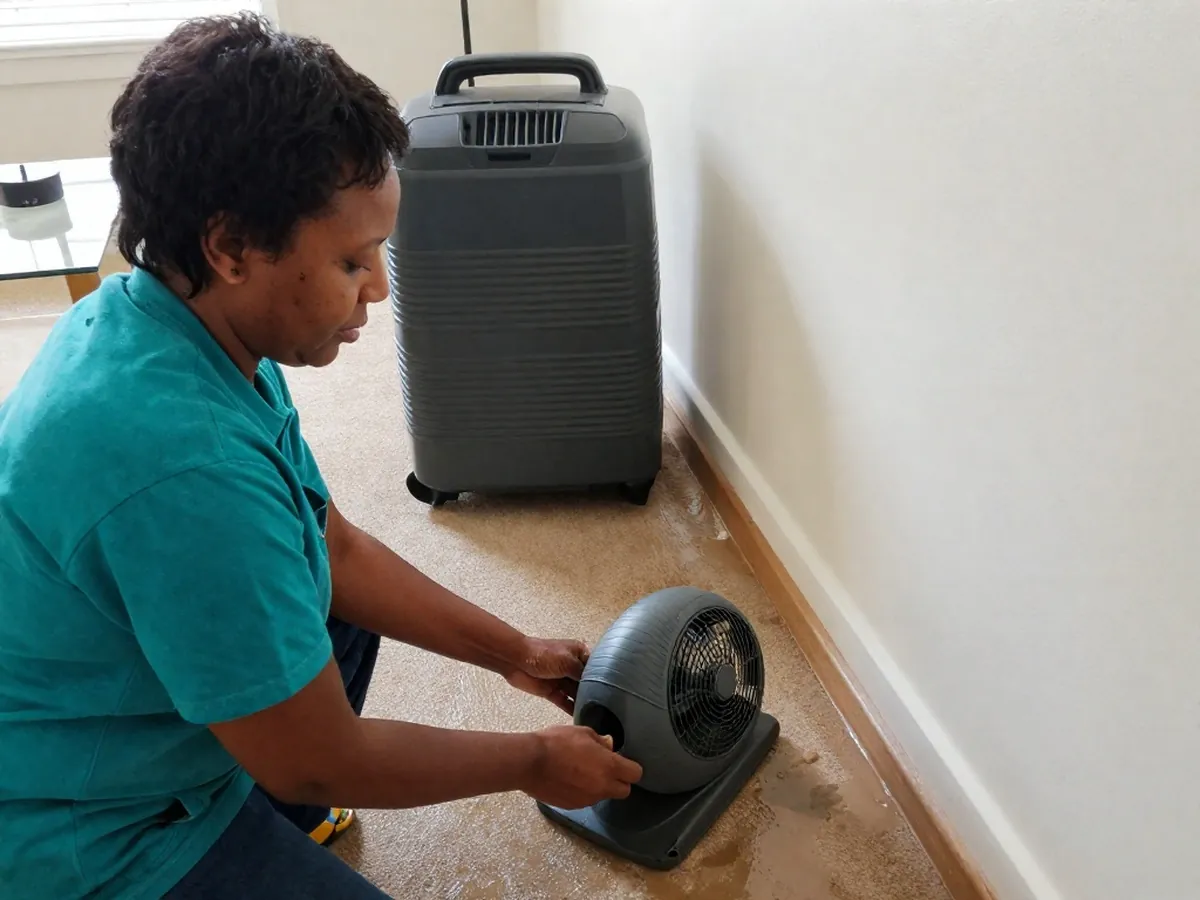
- Wet carpet
- Leaking pipes
- Stained ceilings
- Backed-up drains
- Austell, Mableton, Clarkdale
Start from what the room looks like a puddle, a stain or a smell
Eight water jobs for Austell, Mableton and Clarkdale, from soaked floors and split pipes to sewage, mold, appliance leaks, basements, ceilings and storms.
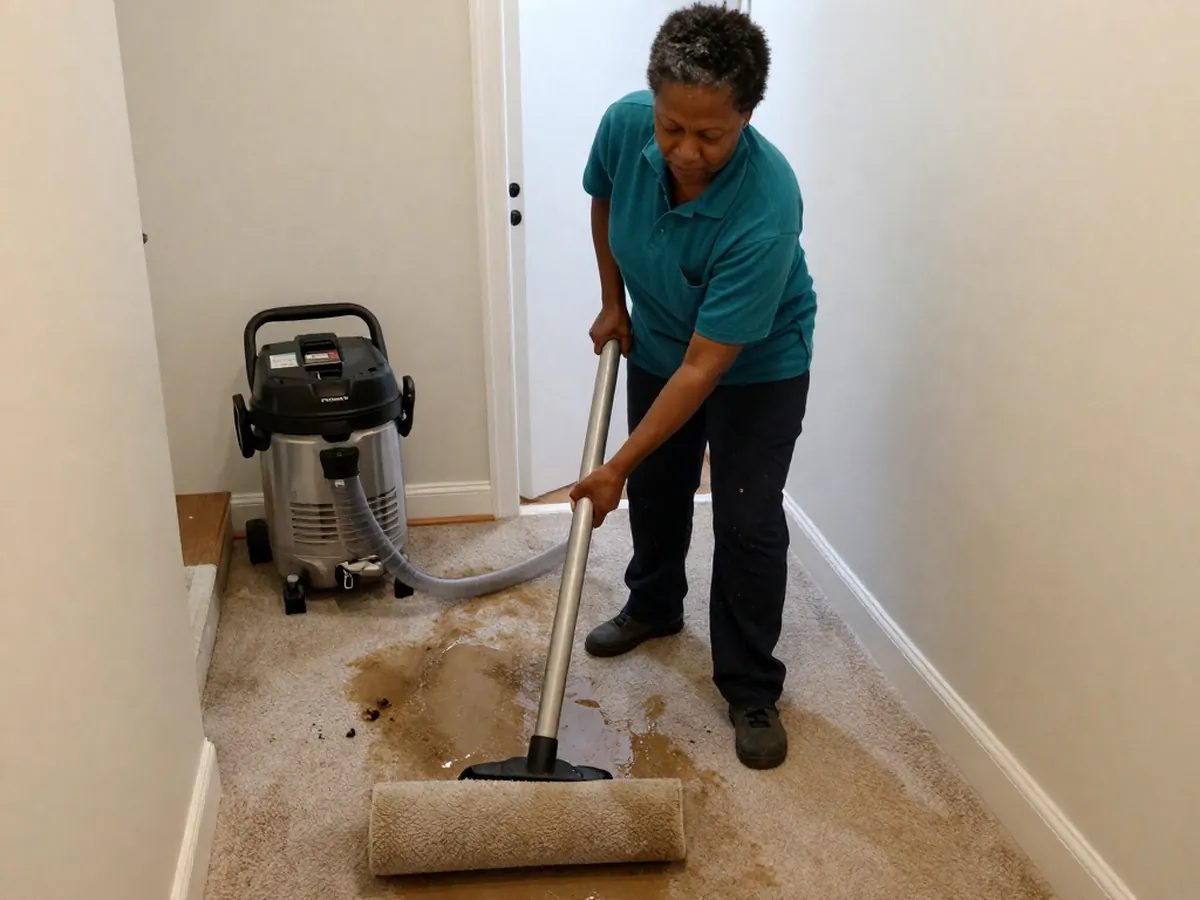 01Water extractionCarpet that squelches, a puddle across a hallway, a laundry room floor that stays dark
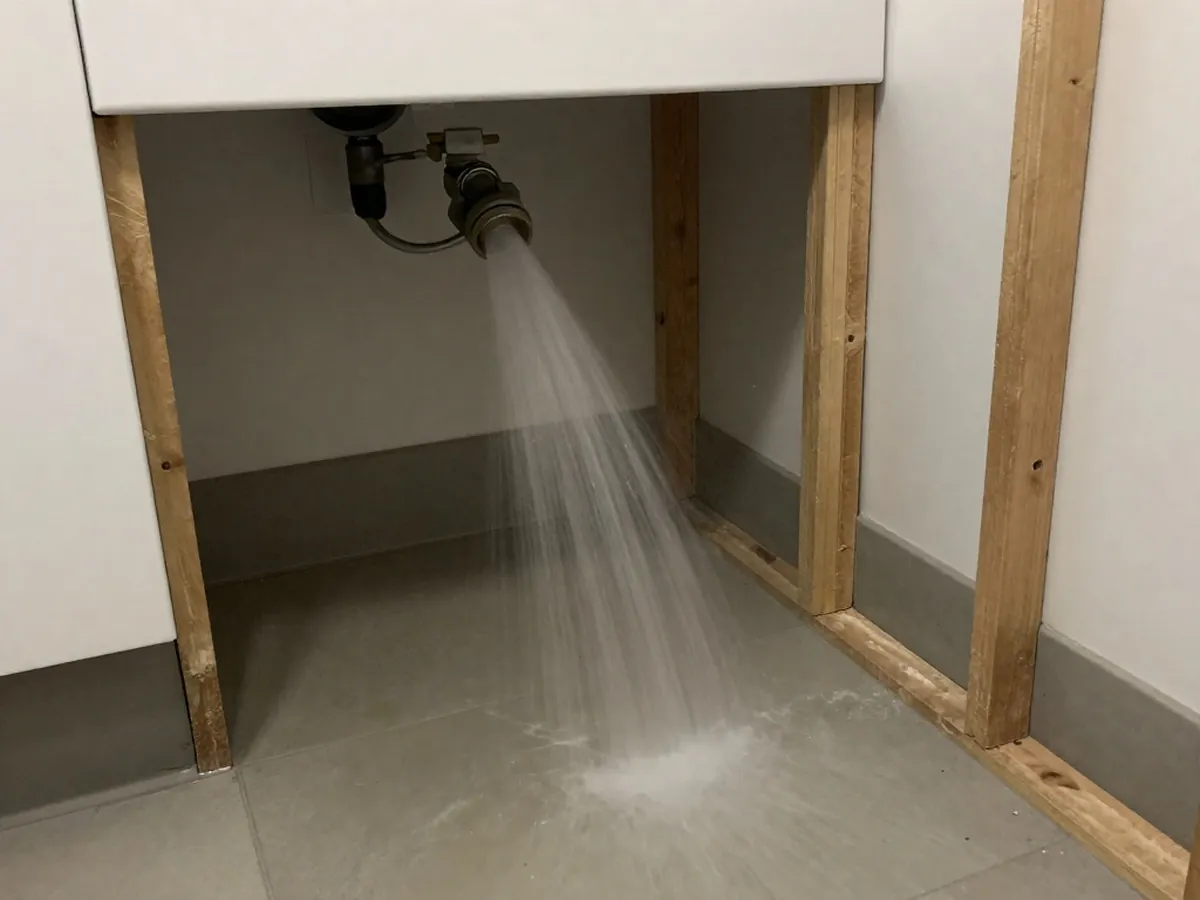 02Burst pipesA hiss behind drywall, a stain that spreads on a dry day, a cabinet floor that never quite dries
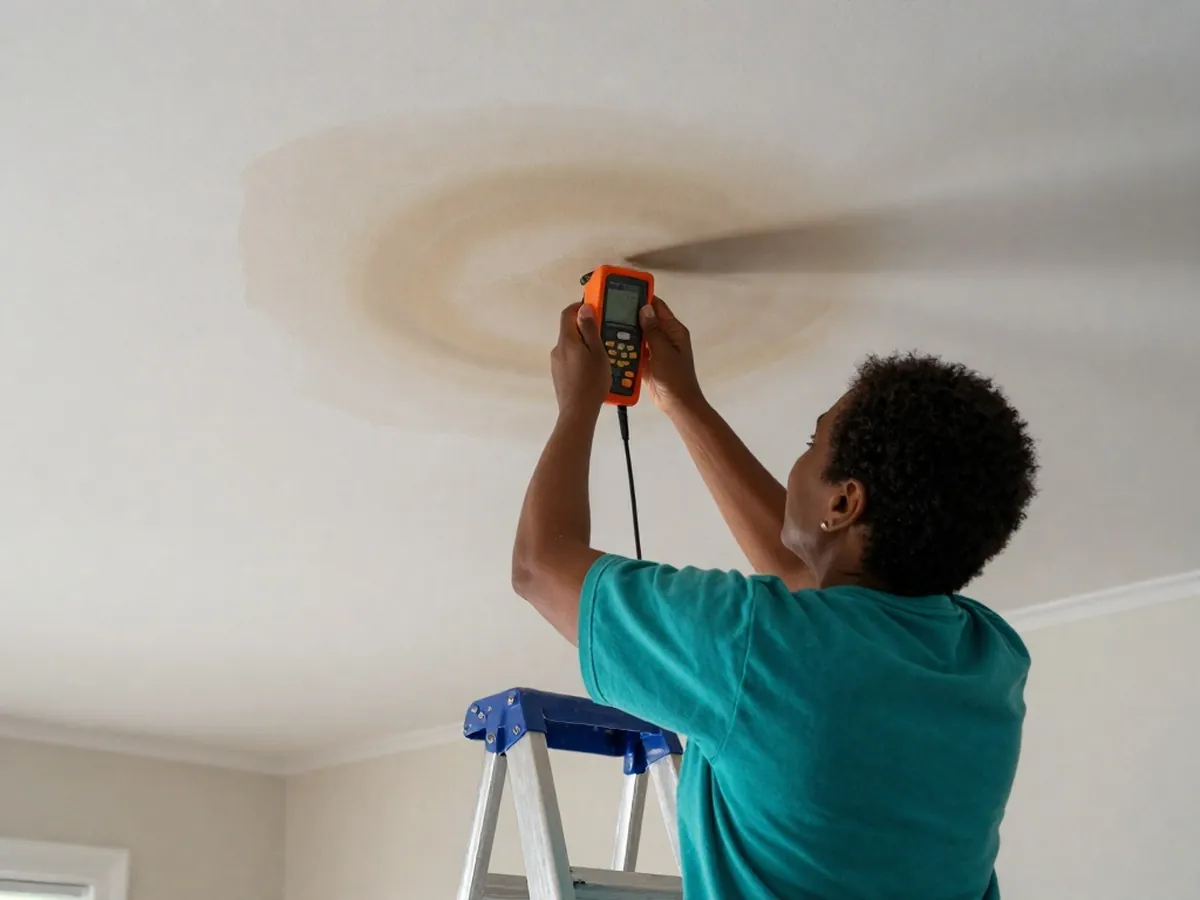 03Ceiling and wall leaksA brown patch that keeps spreading, paint that blisters, a drip into a bucket or a bulge you would rather not touch
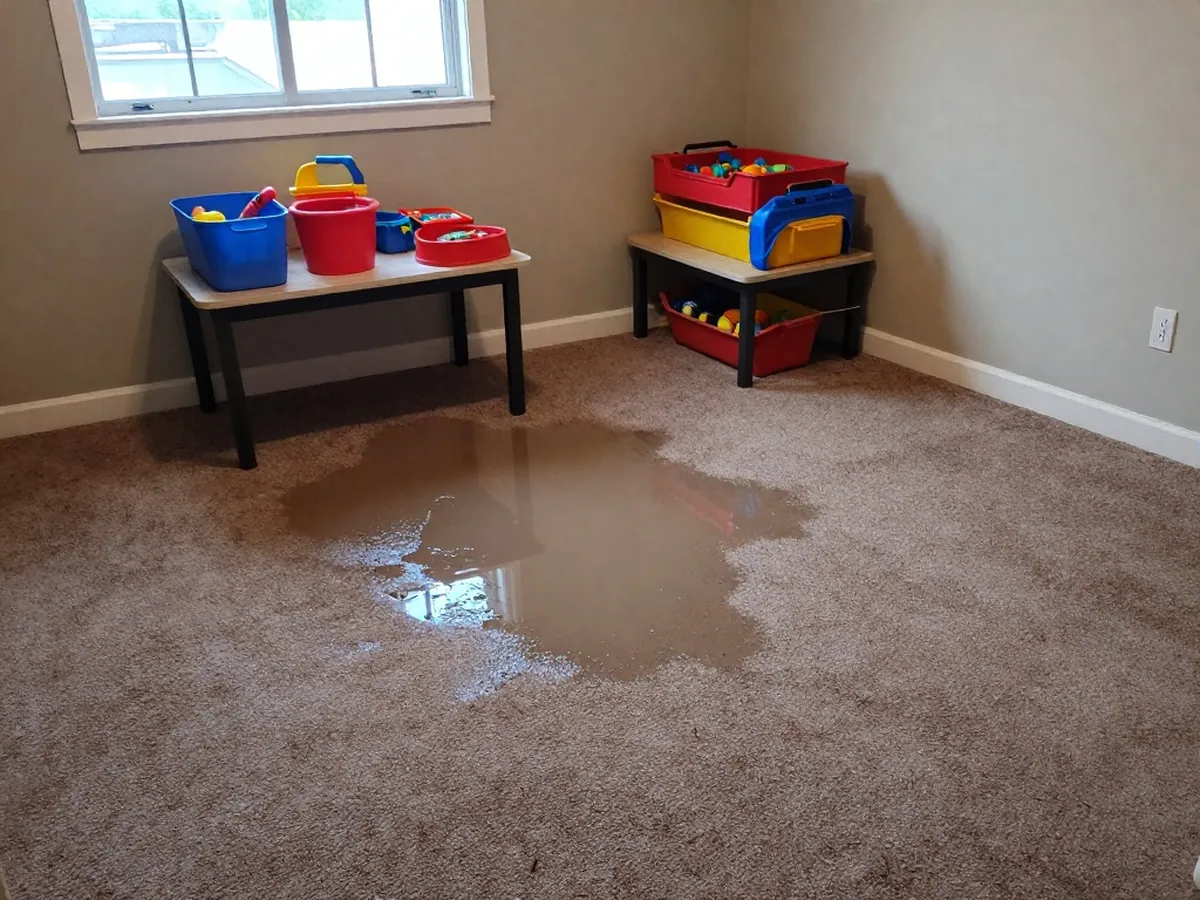 04Flooded basementsWater over a basement floor, a sump pump that cannot keep up, or a crawl space that smells like wet earth
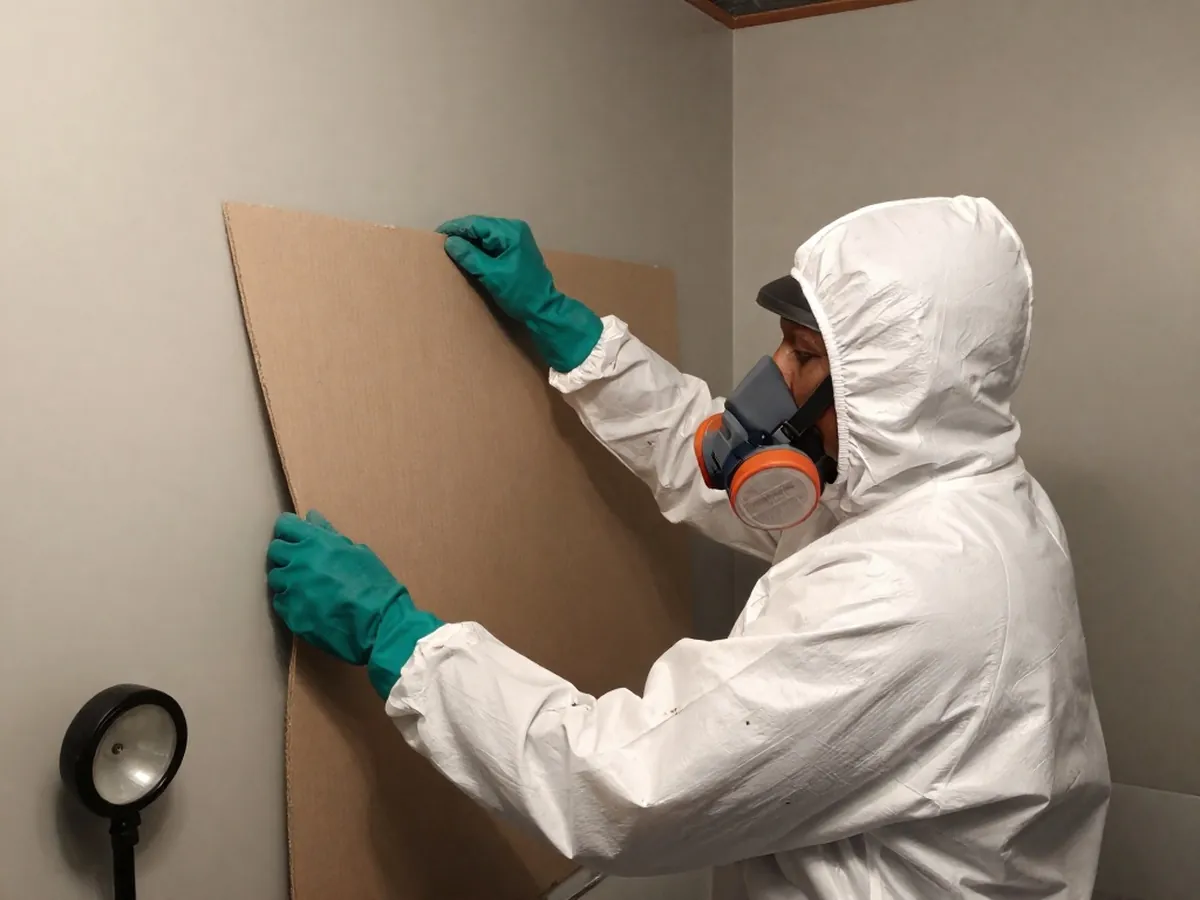 05Sewage backupGray water rising in a tub, a toilet that pushes back, a floor drain that gurgles and spills
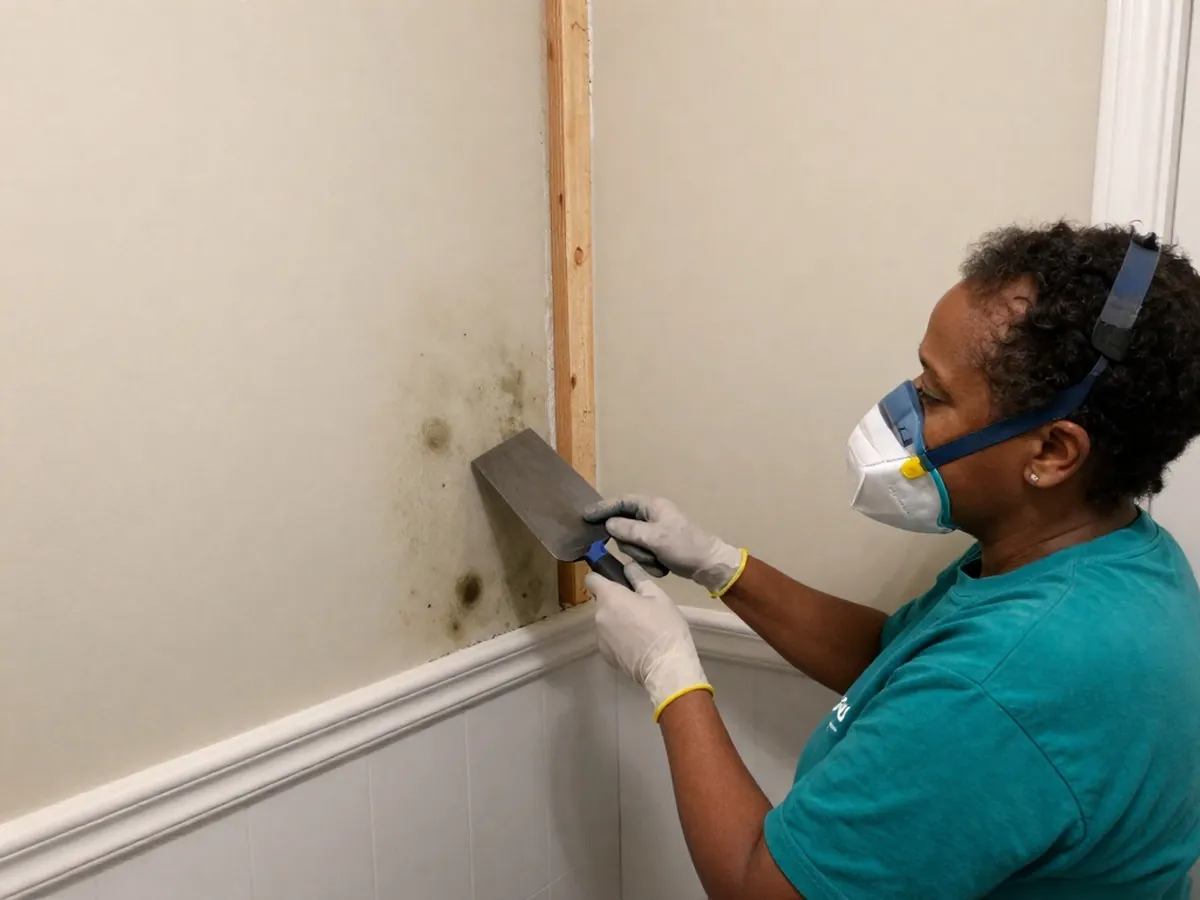 06MoldA musty smell that comes back, dark spotting on drywall or baseboard, a closet that stays damp after a leak
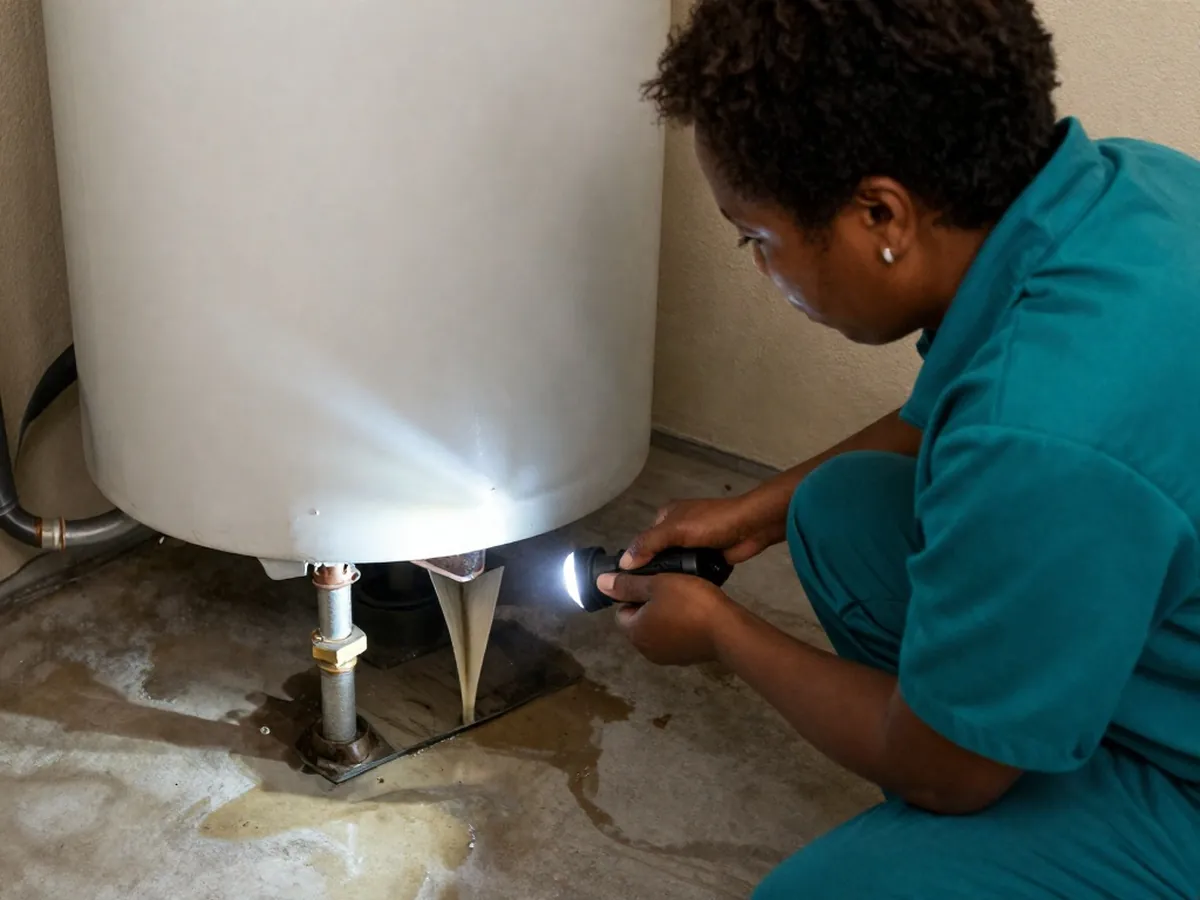 07Appliance leaksA puddle under the washer, a dishwasher that soaks the kitchen floor, a water heater rusting at its base
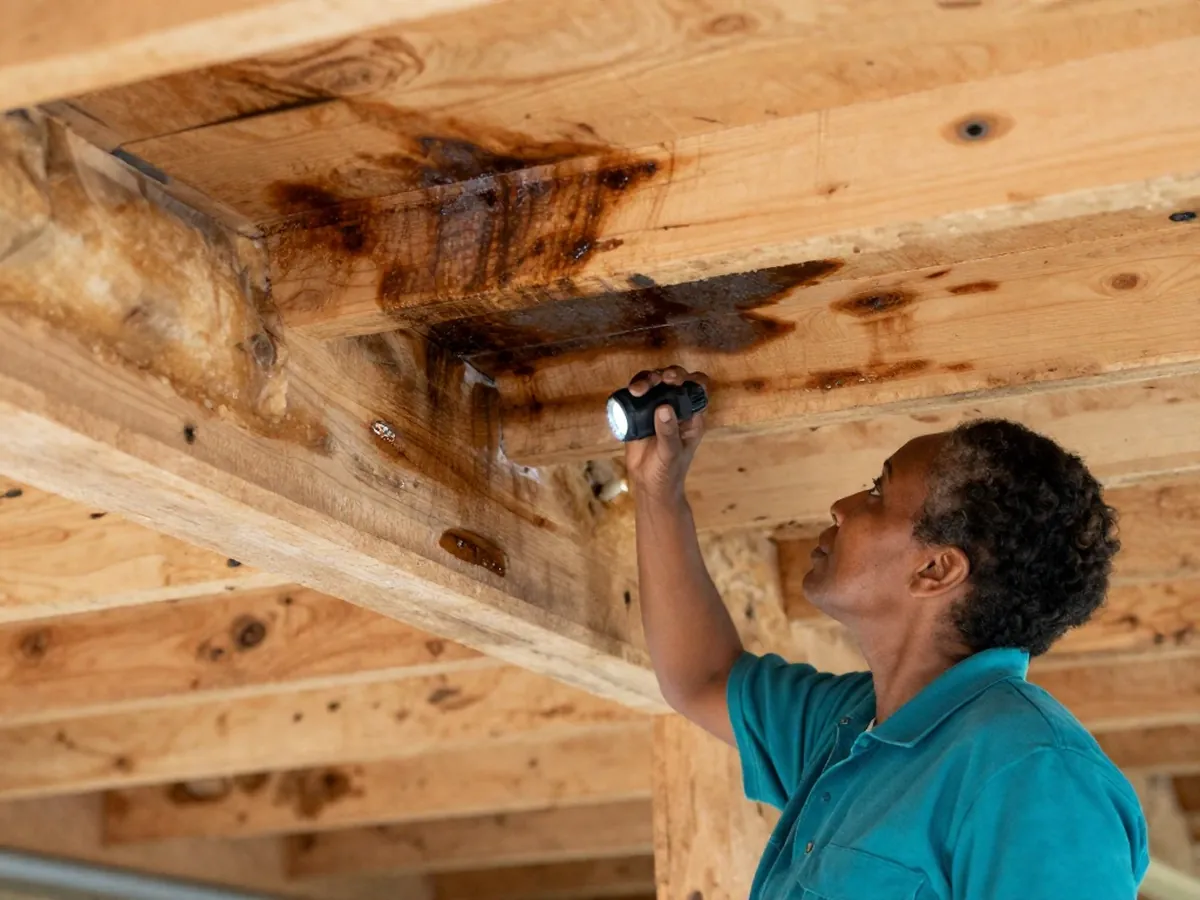 08Storm damageA stain after a thunderstorm, wet insulation overhead, water at a door threshold or a creek in the yard
Asked before the first call by people standing in a wet room
Who picks up when I call, and what do they ask?
A local water damage contractor takes the call. Expect questions about the street address, which room is wet, where the water came from and what it has touched. Photos on your phone help later but are not needed up front. From there the contractor can arrange a visit.
How urgent is my water problem, 1 to 10?
Eight to ten: water near electricity, sewage inside, a bulging ceiling, or gas in the air. Move away first; 911 or the utility is the call to make, not this number. Four to seven: water still spreading, or wet drywall and carpet. One to three: a dried spill or a slow drip, covered by the checks on each job page.
Can fans and the AC help dry out a wet house?
The CDC lists fans, air conditioners and dehumidifiers for drying, with fans blowing air outward so mold does not spread inside. The EPA adds that most HVAC systems cannot dry a flooded house alone and advises against running one the flood reached. A contractor reads the moisture before deciding.
Will homeowners insurance pay for water damage?
That is the insurer's decision, and policies differ. What helps any claim is a record: Georgia's insurance commissioner suggests photos or video before temporary repairs, and receipts for repair costs. FloodSmart notes that most homeowners policies leave out flood damage, which is a separate policy.
Three places, three sets of phone numbers
- 1
Austell
The city runs its own water, sewer and gas, and its Public Works department lists 404-387-7898 for water and sewer emergencies. A small part of the city reaches into Douglas County. Austell notes has the creeks, the pipes and the weather.
- 2
Mableton
Voters chose cityhood in November 2022, and the city sits east of Austell. Water and sewer come from Cobb Water, which keeps its dispatch line, 770-419-6201, for sewer backups and gushing water lines. Mableton notes covers Nickajack Creek and the housing mix.
- 3
Clarkdale
A Cobb County community on Powder Springs-Austell Road, laid out around a thread mill in 1932 and now a National Register historic district. Noses Creek flooded its elementary school in September 2009. Clarkdale notes covers who to ask about the pipes there.
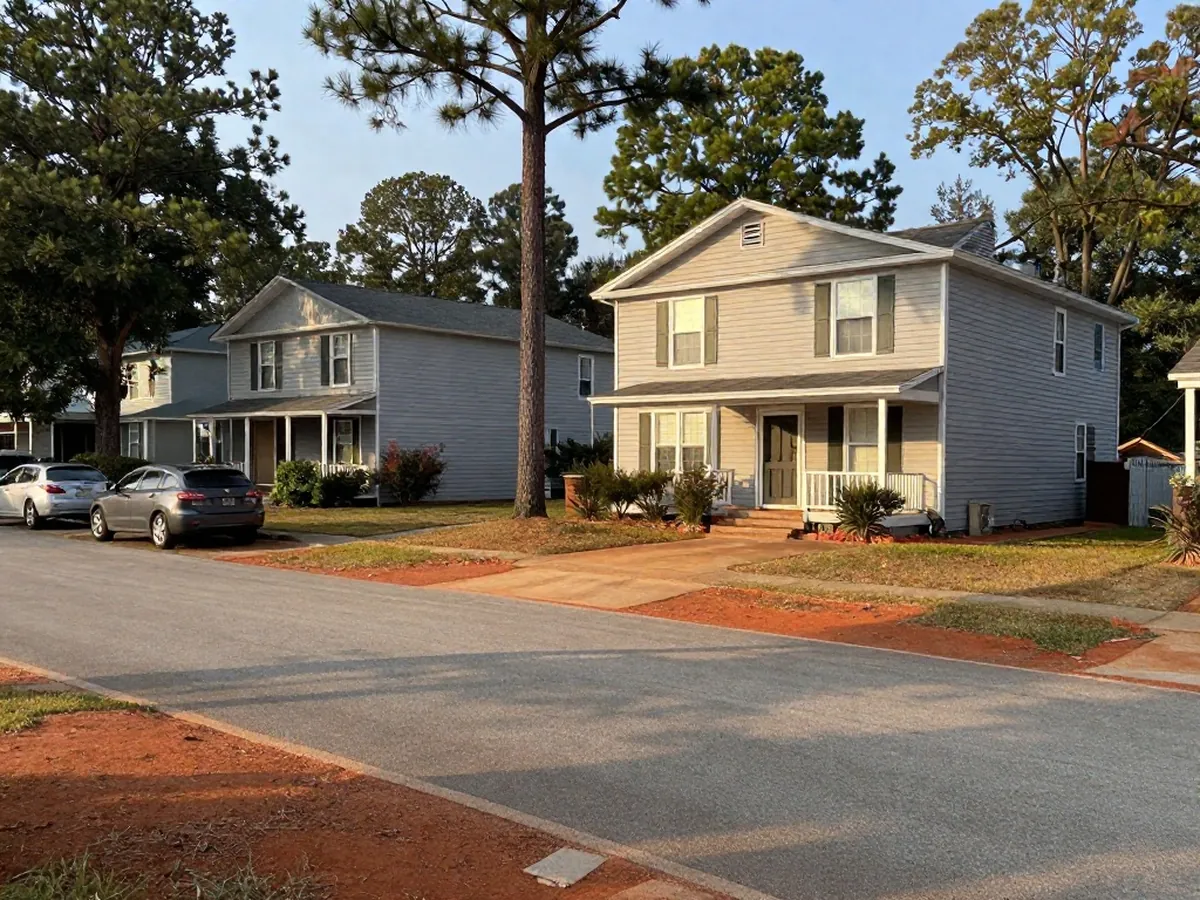
Mostly houses from the 1980s through the 2000s
By the Census estimates for 2020 to 2024, Austell's median house dates from 1993, give or take 9 years. Of about 3,176 homes, 1,057 went up between 2000 and 2009, and 669 (21 percent) are from before 1980. Around ZIP code 30106 the median is 1987, and 44 percent of occupied homes are rented.
Mableton's median is 1988, give or take 2 years, across about 31,481 homes. About 22 percent were built before 1980, and 35 percent of occupied homes are rented.
Clarkdale has no figures of its own in these tables. Its mill houses date from the early 1930s, so the pipes inside them may be a patchwork of eras.
A few of the jobs, pictured
Dry it and keep it, or cut it out
| Material | Drying and keeping it is likelier when | Removal is likelier when |
|---|---|---|
| Hard, sealed surfaces | They wash up with detergent and water and dry through completely | The finish has lifted, or the water came from sewage |
| Carpet and pad | They dry within the 24 to 48 hours the EPA advises | They turn moldy, which the EPA says can send carpet to the trash, or floodwater soaked them |
| Drywall and wall coverings | Moisture readings show they have dried out | The CDC lists them among items to discard after floodwater contact |
| Ceiling tiles | They dry out and show no mold | Mold has set into the tile, which the EPA says can mean throwing it away |
The EPA and CDC pages behind this table are listed below. For one particular wall, the call belongs to whoever is holding the moisture meter.
Describe it in your own words
Call (678) 737-4866 and say what you see, in whatever order it comes. A street address, the room, the spot where the water seems to start and whatever it has touched are enough to begin. Photos on a phone help later; the first call does not need them.
Four situations that come before any phone call
- 1
Water and electricity
If water is around outlets, cords, appliances or the panel, stay on dry ground. The CDC's guidance is to cut power only from a dry spot and to leave the rest to an electrician. A spark or a burnt smell means getting out and phoning 911 or the electric company.
- 2
Sewage
Water from a backed-up drain or toilet may carry germs. Children and pets stay away, and any food it touched goes in the trash; the CDC's phrase is when in doubt, throw it out.
- 3
A sagging ceiling
A drooping or bulging ceiling is holding water and has grown heavy. The Red Cross warns that striking it can bring down the whole thing. Everyone stays out of that room; if it begins to give way, dial 911.
- 4
Gas
A rotten-egg smell near a water heater or furnace means walking out first and phoning from the yard. Austell Gas lists 770-948-1841, option 1, and 911 also works.
What a Georgia year does to a house
Winter
January's average low is 35.6 degrees, and a normal year has about 36 days at or below 32
Why it matters indoorsSupply lines in garages, crawl spaces and outside walls can freeze and split; Cobb Water suggests dripping faucets and knowing where the shutoff is
Spring
March averages 4.68 inches of rain, the second-highest month
Why it matters indoorsSaturated ground pushes water toward basements, window wells and slab edges
Summer
July brings the most rain, 4.75 inches
Why it matters indoorsThunderstorms find weak spots in a roof, and the EPA advises keeping indoor humidity under 60 percent
Fall
October runs driest, at 3.28 inches, yet Helene's radar-estimated 7 to 10 inches across Cobb and Douglas in 2024 shows what one storm can do
Why it matters indoorsSweetwater Creek and its neighbors rise sharply after a soaking
The rain and temperature figures come from NOAA's 1991-2020 normals for Atlanta Hartsfield, so your address can read differently.